
The Science Behind Personal Nutrition
Every client challenge we've encountered has taught us something new about human metabolism. What started as traditional nutrition consulting evolved into a data-driven approach that treats each person as a unique biological system.
Our Problem-Solving Evolution
Back in 2019, we kept running into the same issue: clients would follow perfectly sound nutritional advice, yet see wildly different results. Some thrived on high-protein approaches while others felt sluggish. Some needed frequent small meals, others did better with longer gaps between eating.
Instead of sticking to one-size-fits-all recommendations, we started tracking everything - sleep patterns, stress markers, digestive responses, energy fluctuations. The data revealed something fascinating: timing mattered as much as content, and individual metabolic rhythms varied dramatically.
"We discovered that successful nutrition plans aren't about perfect foods - they're about perfect timing for each person's unique biological clock."
This led us to develop what we call Circadian Nutrition Mapping - a process that identifies your body's natural metabolic peaks and valleys, then aligns your eating patterns accordingly. It's not revolutionary science, just careful observation applied systematically.
The People Behind the Process
Our approach emerged from two very different backgrounds coming together - clinical research meeting real-world application. Sometimes the best innovations happen when different perspectives collide.
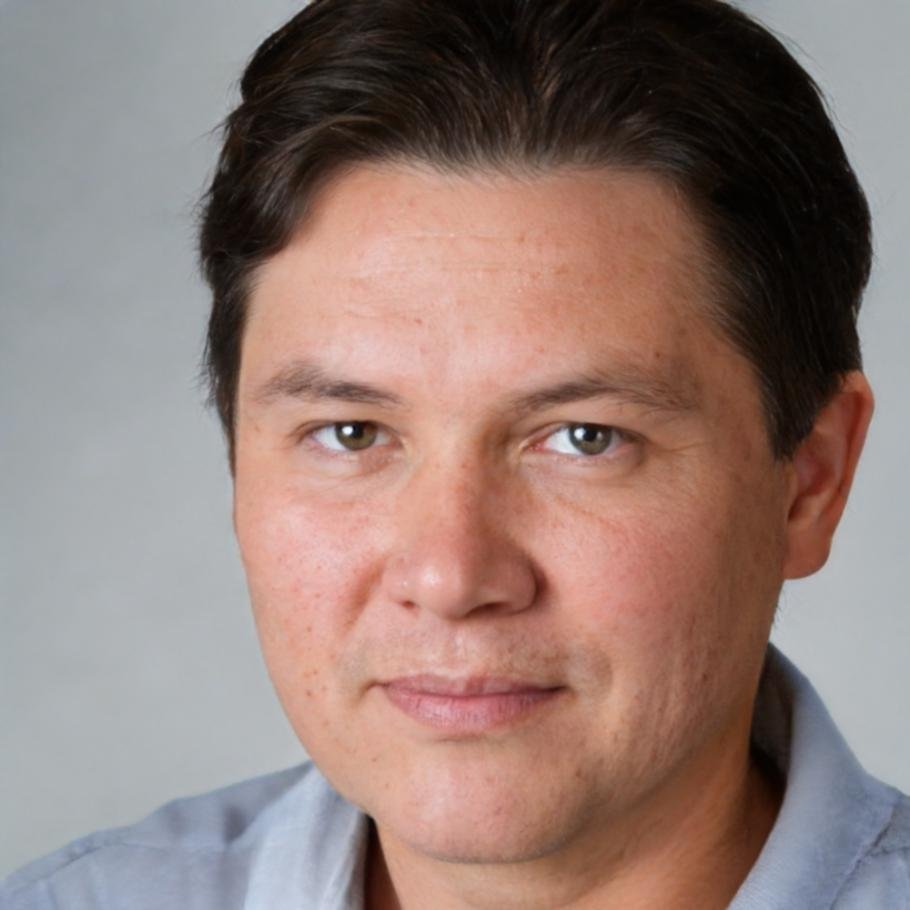
Dr. Marlowe Ashworth
Chief Nutritionist & Founder
Started questioning standard dietary guidelines after noticing how differently his patients responded to identical meal plans. Spent three years developing our metabolic tracking protocols, which now form the backbone of every nutrition assessment we conduct.
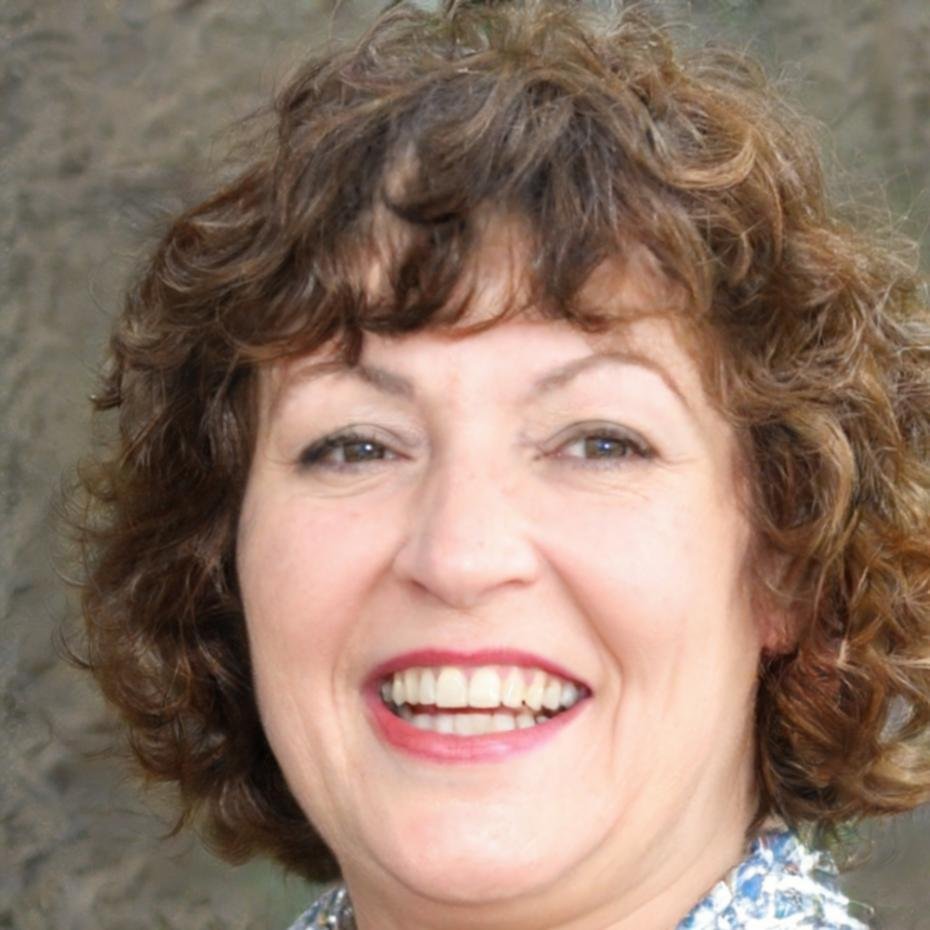
Indira Foxwell
Metabolic Specialist
Brings a background in data analysis that transformed how we interpret client responses. Her insight about circadian rhythm patterns led to our breakthrough in understanding why some people need breakfast while others function better without it.